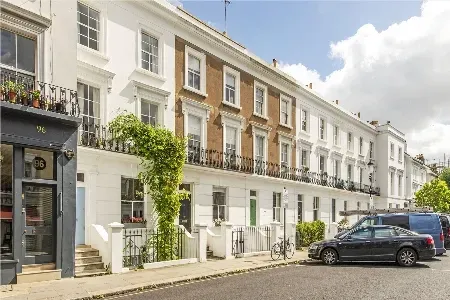
Inside a Well-Run Site | Portland Road Notting Hill | Sable Projects
Inside a Well-Run Site
Portland Road, Notting Hill W11 — A Plumbing & Heating Upgrade That Never Turned Into a Problem
Most people judge a project by how it looks at the end.
Builders judge it by how it felt to run.
Was the site calm or chaotic?
Were decisions made early or chased late?
Did problems get solved quietly — or passed around until someone snapped?
This story isn’t about a flashy install or a clever product choice.
It’s about how a plumbing and heating upgrade was run day to day, and why nothing on this project ever turned into a headache.
The job everyone thinks they understand
On paper, Portland Road looked straightforward enough.
A full plumbing and heating system upgrade in a high-value home.
New layouts, new expectations, and zero tolerance for mess, delays, or excuses.
This is the kind of project where people often say:
“It’s just plumbing and heating — we’ll sort the details on site.”
That sentence is where most problems begin.
The part nobody sees: what happened before site really started
Long before pipework went in, the real work happened.
Plans were reviewed properly.
Floor build-ups were discussed early.
Plant locations, access, sequencing and handovers were thought through.
Not because anyone was being overly cautious — but because once a project like this moves, it moves fast.
Good sites don’t feel rushed.
They feel prepared.
Why this site stayed calm when others don’t
There are a few moments on every job where things could go wrong.
On this one:
There were no last-minute changes to core layouts
No trades working over each other
No surprises that “nobody flagged earlier”
That didn’t happen by luck.
It happened because decisions were made when they were still cheap, simple, and reversible — not when walls were closed and tempers were short.
From a builder’s point of view, that’s the difference between:
Managing a job
And firefighting one
Plumbing and heating as part of the build — not a separate trade
One of the most common reasons heating becomes a problem on site is simple:
It’s treated as something that gets “slotted in”.
On Portland Road, it wasn’t.
Pipe routes were coordinated with other trades.
Fixings, access points and plant areas were agreed early.
Nobody had to undo work because “the plumbing needs to go there”.
That kind of coordination doesn’t show up in photos — but it shows up in:
Fewer conversations
Fewer delays
Fewer stressed decisions
For homeowners, that means less disruption.
For builders, it means the programme actually holds.

What didn’t happen (and why that matters)
Here’s what never became an issue on this job:
No last-minute design compromises
No awkward conversations about access or clashes
No call-backs because something was rushed or assumed
No finger-pointing between trades
Those things didn’t disappear by accident.
They disappeared because the system was planned, coordinated, and installed with respect for the rest of the build.
That’s the difference between work that simply gets finished — and work that fits.
The homeowner experience (quietly, this is the goal)
From the homeowner’s side, the experience was simple.
The site felt organised.
Questions were answered clearly.
Nothing ever felt out of control.
That’s not because nothing ever needed thinking about.
It’s because the thinking happened before it became visible.
The best feedback on projects like this is often:
“It all just felt straightforward.”
That’s not luck.
That’s process.
What builders recognise instantly
Good builders spot this kind of job immediately.
They notice:
The lack of drama
The absence of rushed fixes
The way trades move around each other instead of colliding
They know this isn’t about one clever install — it’s about how the job was run.
And they also know:
Sites like this are easier to repeat than rescue.
Why this project matters
Portland Road isn’t special because of what was installed.
It matters because it shows:
How early decisions protect the programme
How coordination removes friction
How plumbing and heating should support a build — not complicate it
This is what a well-run site actually looks like when nobody’s trying to make a fuss.
Why we’re sharing this
This is the first entry in our Inside a Well-Run Site series.
Not to show off finished work — but to document:
How good projects are structured
What keeps sites calm
And why some problems never show up in the first place
If you’re a builder, architect, or homeowner planning a serious project, these are the details that quietly decide how it all feels.
Start with the right conversation
If you’re planning a project and want it to feel like this — calm, coordinated, and under control — the conversation needs to start early.
👉 Get in touch with Sable Projects
Not for a sales pitch — but to talk through sequencing, constraints, and how the plumbing and heating should support the build, not fight it.

